


Saamai Rice


₹63.00 – ₹240.00
Saamai Rice, also known as Little Millet (Panicum sumatrense), is a small, nutritious grain that has been cultivated for centuries in India and other parts of Asia. It is a type of millet, a group of ancient grains that are known for their numerous health benefits and versatility in cooking. Saamai rice is particularly popular in South Indian cuisine and is often used as a rice substitute in various dishes.
Saamai Rice, also known as Little Millet (Panicum sumatrense), is a small, nutritious grain that has been cultivated for centuries in India and other parts of Asia. It is a type of millet, a group of ancient grains that are known for their numerous health benefits and versatility in cooking. Saamai rice is particularly popular in South Indian cuisine and is often used as a rice substitute in various dishes.
Key Benefits of Saamai Rice:
- Nutrient-Rich:
Saamai rice is packed with essential nutrients such as fiber, protein, B-vitamins, iron, magnesium, and phosphorus. These nutrients support overall health and well-being. - Gluten-Free:
As a naturally gluten-free grain, Saamai rice is an excellent option for those with celiac disease or those avoiding gluten. It can be used as a substitute for regular rice in many dishes. - High in Fiber:
Saamai rice is high in dietary fiber, which supports digestive health, prevents constipation, and helps in maintaining healthy blood sugar levels. It also promotes a feeling of fullness, making it beneficial for weight management. - Helps Manage Blood Sugar:
The complex carbohydrates in Saamai rice are digested slowly, leading to a gradual release of glucose into the bloodstream. This helps in maintaining stable blood sugar levels, making it a great option for individuals with diabetes. - Supports Heart Health:
Saamai rice is low in saturated fat and high in unsaturated fats, which help reduce bad cholesterol levels. Its high fiber content also supports cardiovascular health by preventing the buildup of plaque in the arteries. - Rich in Antioxidants:
Saamai rice contains antioxidants that help combat oxidative stress and reduce inflammation. These antioxidants contribute to overall health and can reduce the risk of chronic diseases. - Good for Bone Health:
Saamai rice is a good source of magnesium and phosphorus, both of which are essential for strong bones and teeth. These minerals help in maintaining bone density and preventing bone-related conditions like osteoporosis. - Helps with Detoxification:
The high fiber content in Saamai rice also aids in detoxifying the body by promoting regular bowel movements and helping to flush out toxins.
How to Cook Saamai Rice:
Cooking Saamai rice is similar to cooking other millets or rice. Here’s a simple method to prepare it:
Ingredients:
- 1 cup Saamai rice
- 2 cups water
- Salt (optional)
Instructions:
- Rinse the Rice:
Wash the Saamai rice thoroughly under cold running water to remove any dirt or impurities. - Boil the Water:
Bring 2 cups of water to a boil in a saucepan. You can add a pinch of salt if desired for flavor. - Cook the Rice:
Add the rinsed Saamai rice to the boiling water. Stir gently, reduce the heat to low, and cover the saucepan. Let it simmer for about 15-20 minutes, or until the water is absorbed and the rice is soft. - Fluff and Serve:
Once cooked, fluff the rice with a fork and let it sit for a couple of minutes before serving.
Ways to Use Saamai Rice:
- As a Rice Substitute:
You can use Saamai rice as a direct substitute for regular rice in most dishes. It works well with curries, dal, vegetable dishes, or gravies. - In Pulao or Biryani:
Saamai rice can be cooked with spices and vegetables to make a flavorful pulao or biryani. It’s a healthy and nutritious alternative to traditional rice-based biryanis. - For Breakfast:
You can prepare a delicious porridge using Saamai rice. Simply cook it with water or milk and sweeten it with jaggery or honey for a wholesome breakfast option. - In Upma or Khichdi:
Saamai rice can be used in savory dishes like upma or khichdi. Saute the rice with vegetables and spices to create a filling and nutritious meal. - In Salads:
Use cooked Saamai rice as a base for salads. Combine it with fresh vegetables, herbs, and a light dressing for a nutritious and filling salad. - In Baking:
Saamai rice flour can be used to make gluten-free bread, cakes, or muffins, adding a healthy twist to your baked goods.
Nutritional Value (Approximate per 100g of Cooked Saamai Rice):
- Calories: 100-120 kcal
- Carbohydrates: 20-25g
- Protein: 3-4g
- Fiber: 3-4g
- Fat: 1-2g
- Iron: 1-2mg
- Magnesium: 40-50mg
- Phosphorus: 100mg
Conclusion:
Saamai Rice (Little Millet) is an excellent, nutrient-dense alternative to regular rice and other grains. It is high in fiber, protein, and essential minerals, and is particularly beneficial for digestive health, weight management, and blood sugar control. Whether you’re looking for a gluten-free rice substitute or just want to try a more nutritious grain, Saamai rice can be easily incorporated into your diet in a variety of dishes. It’s a wholesome addition to your meals that offers numerous health benefits and helps you maintain a balanced diet.
| Weight | N/A |
|---|---|
| Size | 1kg, 250g, 500g |
Related Products
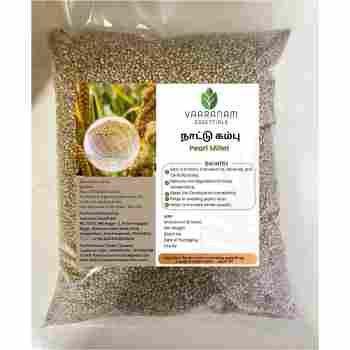
Naatu Kambu, also known as Millet in some regions, specifically refers to Bajra (Pearl Millet) or Local Kambu, which is the traditional, indigenous variety of millet grown in rural areas of India. Unlike the hybrid varieties of millets, Naatu Kambu is grown without the use of synthetic fertilizers and pesticides, making it a healthier and more sustainable option.
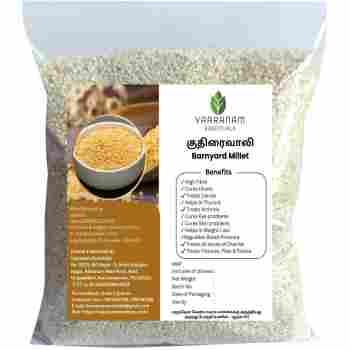
Kudhiraivaali Rice, also known as Horse Gram (Macrotyloma uniflorum), is an ancient and highly nutritious legume that has been cultivated in India and other parts of Asia for centuries. While it is classified as a legume, it is often used in a similar manner to rice, especially in South Indian cuisine. Kudhiraivaali rice is highly valued for its health benefits and nutritional profile.
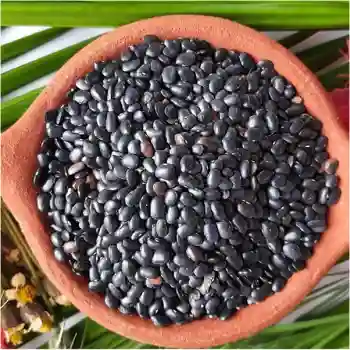
Kollu Black, also known as Black Horse Gram (or Kala Kollu in some regions), is a variety of horse gram, a legume that is native to India and other parts of South Asia. It is known for its impressive nutritional profile and various health benefits. It is commonly used in traditional South Indian, Ayurvedic, and other regional cuisines.
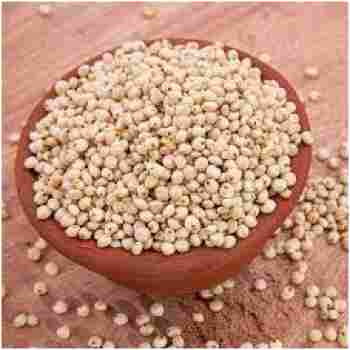
White Cholam (Sorghum), also known as Sorgum, is a highly nutritious, versatile grain that is commonly used in various cuisines, especially in Indian cooking. It’s often considered a superfood due to its health benefits. Here’s an overview of its benefits and uses:
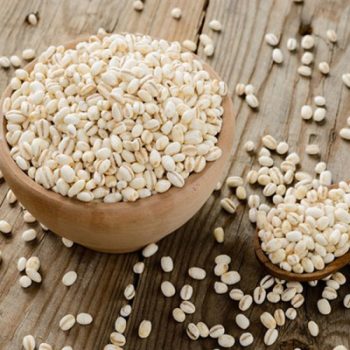
Barley is one of the oldest cultivated grains in the world, known for its nutritional benefits and versatility in cooking. It has been used for thousands of years in various cultures for its health-boosting properties. Barley is a whole grain that can be consumed in various forms, such as whole barley, barley flour, and barley flakes. It’s often added to soups, stews, salads, and even used in baking.
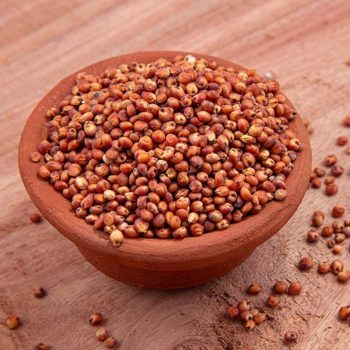
Red Cholam, also known as Red Sorghum (Sorghum bicolor), is an ancient, drought-resistant cereal grain that has been cultivated for thousands of years. Sorghum is commonly referred to as “millet” in many regions, but it is actually distinct from other millets. Red Cholam is one of the varieties of sorghum, known for its deep reddish-brown color and nutty flavor. This grain is widely grown in dry regions and is a staple food in many parts of Africa, India, and the Middle East.
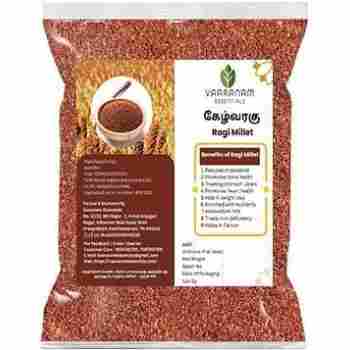
Ragi millet, also known as Finger Millet, is a highly nutritious and versatile grain that is widely cultivated in various parts of India and other countries in Africa and Asia. It’s known for its health benefits and rich nutritional profile, making it an excellent addition to a balanced diet.
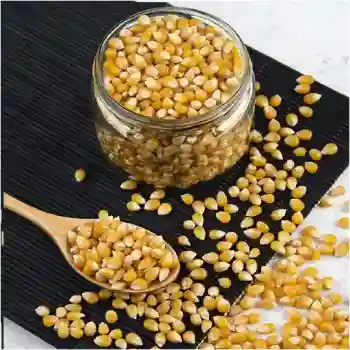
Popcorn Cholam refers to Sorghum (also known as Cholam in Tamil or Jowar in other parts of India), which can be popped just like popcorn. Sorghum is a healthy, gluten-free grain and is an excellent alternative to traditional popcorn. Popcorn made from Cholam (Sorghum) is also known as Jowar Popcorn.
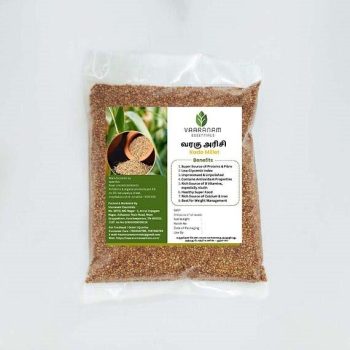
Varagu Rice, also known as Kodo Millet (Paspalum scrobiculatum), is another highly nutritious and ancient grain that has been used for centuries, particularly in Indian cuisine. This millet is a small, hardy grain that grows well in dry and arid regions. Varagu rice is commonly used as a healthier alternative to white rice and is packed with a range of beneficial nutrients.
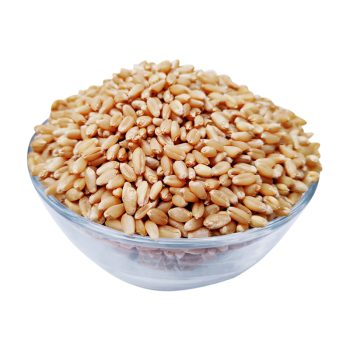
Samba Wheat is a variety of wheat that is commonly grown in India, particularly in the southern regions, and is known for its unique nutritional profile and health benefits. It is considered an ancient variety of wheat and is often used in traditional dishes in various parts of India. Samba wheat is typically smaller and darker in color compared to the more commonly used varieties of wheat, but it is rich in nutrients and offers several health benefits.
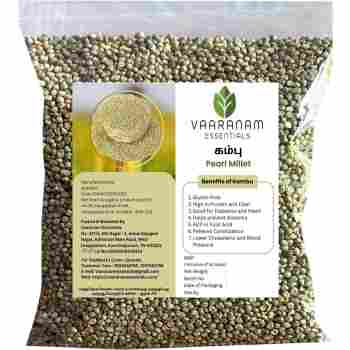
Kambu (also known as Pearl Millet or Bajra) is one of the most nutritious and ancient grains, widely consumed in various parts of the world, especially in India and Africa. It is highly valued for its health benefits and versatility in cooking. Kambu is rich in essential nutrients, making it a great addition to a balanced diet.
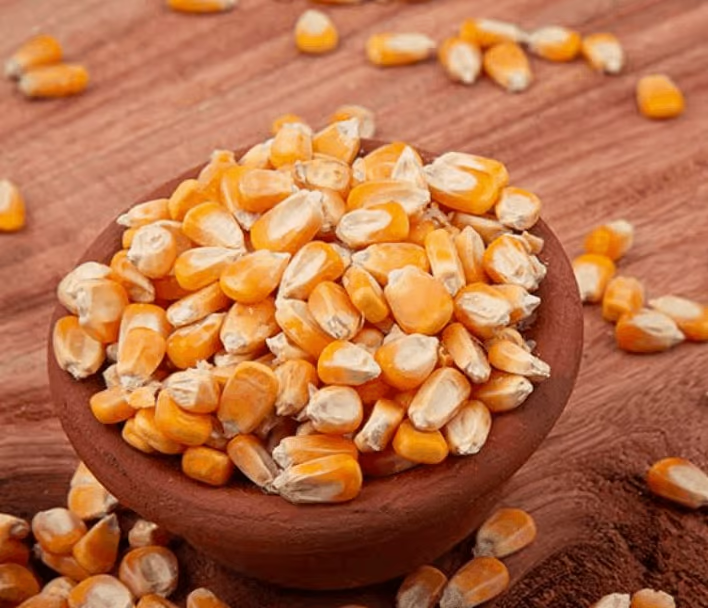
Makka Cholam, also known as Maize or Corn, is a popular grain in many parts of the world, particularly in India, where it’s commonly referred to as “Makka” (in Hindi) or “Cholam” (in some regional languages). It is highly nutritious and can be used in various forms, such as whole grain, flour, and as a snack.
Reviews
There are no reviews yet.