
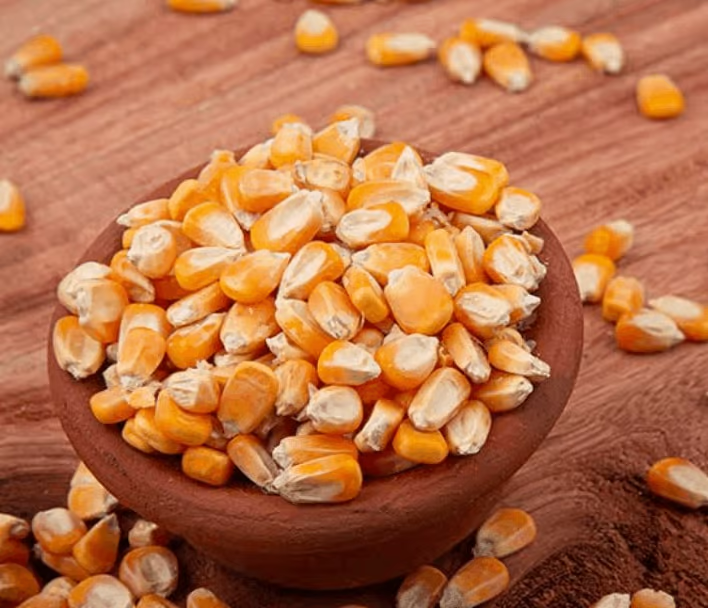
Makka Cholam


₹37.00 – ₹128.00
Makka Cholam, also known as Maize or Corn, is a popular grain in many parts of the world, particularly in India, where it’s commonly referred to as “Makka” (in Hindi) or “Cholam” (in some regional languages). It is highly nutritious and can be used in various forms, such as whole grain, flour, and as a snack.
Makka Cholam, also known as Maize or Corn, is a popular grain in many parts of the world, particularly in India, where it’s commonly referred to as “Makka” (in Hindi) or “Cholam” (in some regional languages). It is highly nutritious and can be used in various forms, such as whole grain, flour, and as a snack. Let’s explore the benefits and uses of Makka Cholam:
Benefits of Makka Cholam (Maize or Corn)
- High in Fiber:
- Makka Cholam is rich in dietary fiber, which aids in digestion and helps prevent constipation. Fiber also supports heart health by lowering cholesterol levels.
- Rich in Nutrients:
- Vitamins: It is a good source of essential vitamins such as Vitamin A, Vitamin C, and various B-vitamins, particularly B1 (Thiamine), B3 (Niacin), and B9 (Folate).
- Minerals: Makka Cholam contains important minerals like Magnesium, Potassium, and Iron, all of which contribute to overall health.
- Natural Antioxidants:
- Corn contains antioxidants like Lutein and Zeaxanthin, which are beneficial for eye health and may help reduce the risk of cataracts and age-related macular degeneration.
- Energy Boosting:
- As a high carbohydrate food, Makka Cholam is an excellent source of energy. It’s often used to provide a quick energy boost during physical activities or in the morning as a hearty meal.
- Heart Health:
- The fiber content in corn helps lower blood cholesterol levels, while the antioxidants and minerals like potassium help in maintaining healthy blood pressure levels.
- Gluten-Free:
- Makka Cholam is naturally gluten-free, making it an excellent alternative for people with gluten intolerance or celiac disease.
- Improved Skin Health:
- Vitamin C and other antioxidants in corn help promote healthy skin by reducing inflammation and protecting against free radicals.
- Supports Healthy Metabolism:
- The B-vitamins in Makka Cholam play a key role in converting food into energy, thereby supporting a healthy metabolism.
Uses of Makka Cholam (Maize or Corn)
- Whole Grain Makka Cholam:
- Makka Cholam can be boiled and served as a wholesome grain, similar to rice. It can be served with curries, stews, or vegetables.
- Cornmeal (Makka Atta):
- Cornmeal or Makka Atta is made by grinding dried corn kernels. This flour is widely used in various dishes, including makka roti (corn roti), corn bread, and other types of gluten-free baked goods.
- Popcorn:
- One of the most popular forms of Makka Cholam is popcorn. It’s a healthy snack if prepared with minimal oil or butter. Popcorn is high in fiber and low in calories.
- Corn Flour for Baking:
- Corn flour is commonly used in baking, particularly in gluten-free recipes, to make bread, cakes, cookies, and pancakes.
- Makka Cholam Porridge:
- Cornmeal is often used to make a nutritious breakfast porridge. You can cook cornmeal with milk or water, and add sugar, honey, or fruit for extra flavor.
- Makka Dosa (Corn Dosa):
- A variation of the traditional South Indian dosa can be made by using Makka Atta (corn flour). It can be enjoyed with chutneys and sambar.
- Makka Cholam in Soups:
- Makka Cholam can be boiled and added to soups for extra texture and flavor. It complements both vegetarian and non-vegetarian soups.
- Corn Oil:
- Corn oil is extracted from the germ of corn kernels and is widely used for cooking. It has a high smoke point, making it suitable for frying and deep frying.
- Makka Cholam in Snacks:
- Makka Cholam can be roasted or fried and eaten as a crunchy snack. It’s commonly enjoyed as a quick munching snack or added to trail mixes.
How to Cook Makka Cholam (Corn)
- Boiling Makka Cholam (Whole Grain):
- Wash the corn kernels thoroughly and soak them for a few hours or overnight.
- Boil the kernels in water until soft (it may take 30-40 minutes).
- Serve with your choice of curry, chutney, or vegetable side dishes.
- Making Makka Roti (Corn Roti):
- Ingredients: 1 cup of Makka Atta (corn flour), water, and a pinch of salt.
- In a bowl, combine the flour and salt. Gradually add water to make a smooth dough.
- Roll the dough into small balls, flatten them, and cook on a hot tawa or griddle. Cook both sides until golden brown.
- Making Makka Porridge:
- Ingredients: 1 cup of Makka Atta, 2 cups of water or milk, sugar or honey, and cardamom powder.
- Cook the cornmeal with water or milk in a saucepan on medium heat. Stir continuously to avoid lumps.
- Add sugar, honey, and cardamom to taste, and cook until it thickens into a porridge-like consistency.
- Making Popcorn:
- Heat a small amount of oil in a pot over medium heat.
- Add popcorn kernels and cover the pot.
- Shake the pot occasionally to ensure even popping. Once popping slows down, remove from heat and season as desired.
Conclusion
Makka Cholam (Maize or Corn) is a nutritious and versatile grain that can be incorporated into a variety of dishes, from makka roti to popcorn and corn flour in baked goods. Its health benefits, including being gluten-free, high in fiber, and packed with essential vitamins and minerals, make it a valuable addition to your diet. Whether you’re looking for an energy-boosting breakfast or a healthy snack, Makka Cholam has something to offer!
| Weight | N/A |
|---|---|
| Size | 1kg, 250g, 500g |
Related Products
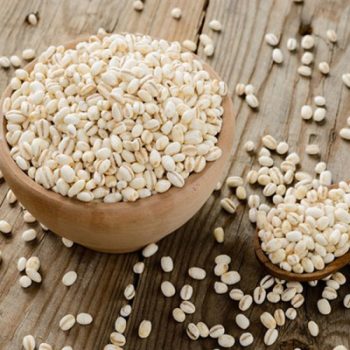
Barley is one of the oldest cultivated grains in the world, known for its nutritional benefits and versatility in cooking. It has been used for thousands of years in various cultures for its health-boosting properties. Barley is a whole grain that can be consumed in various forms, such as whole barley, barley flour, and barley flakes. It’s often added to soups, stews, salads, and even used in baking.
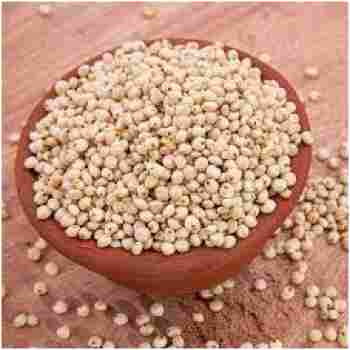
White Cholam (Sorghum), also known as Sorgum, is a highly nutritious, versatile grain that is commonly used in various cuisines, especially in Indian cooking. It’s often considered a superfood due to its health benefits. Here’s an overview of its benefits and uses:
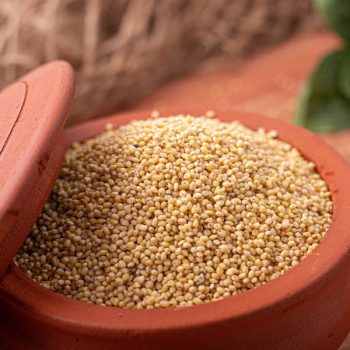
Pani Varagu Rice, also known as Proso Millet (Panicum miliaceum), is another ancient and highly nutritious grain that has been cultivated for centuries in India and other parts of Asia. It is often used in various traditional dishes and is gaining popularity due to its health benefits and versatility.
In India, Pani Varagu is particularly popular in South India, where it is used in many savory dishes, including upma, pulao, and even as a rice substitute in various meals.
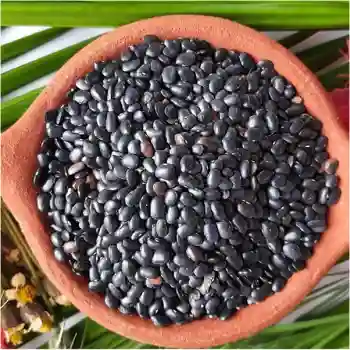
Kollu Black, also known as Black Horse Gram (or Kala Kollu in some regions), is a variety of horse gram, a legume that is native to India and other parts of South Asia. It is known for its impressive nutritional profile and various health benefits. It is commonly used in traditional South Indian, Ayurvedic, and other regional cuisines.
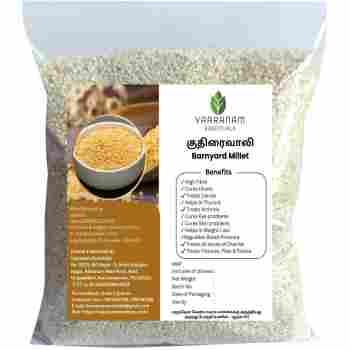
Kudhiraivaali Rice, also known as Horse Gram (Macrotyloma uniflorum), is an ancient and highly nutritious legume that has been cultivated in India and other parts of Asia for centuries. While it is classified as a legume, it is often used in a similar manner to rice, especially in South Indian cuisine. Kudhiraivaali rice is highly valued for its health benefits and nutritional profile.
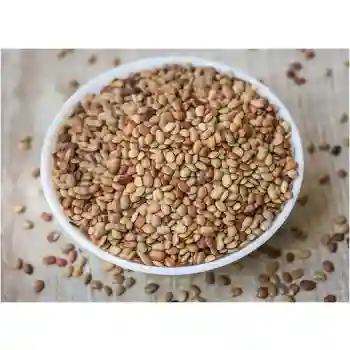
Kollu White, also known as White Horse Gram, is a variety of horse gram (known as Kollu in Tamil) that is lighter in color compared to the commonly used Black Horse Gram (Kollu Black). It is a lesser-known variety but still possesses impressive nutritional benefits and is used in traditional recipes across South Asia.
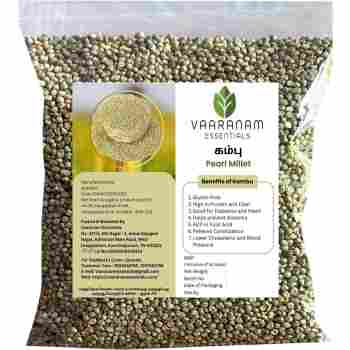
Kambu (also known as Pearl Millet or Bajra) is one of the most nutritious and ancient grains, widely consumed in various parts of the world, especially in India and Africa. It is highly valued for its health benefits and versatility in cooking. Kambu is rich in essential nutrients, making it a great addition to a balanced diet.
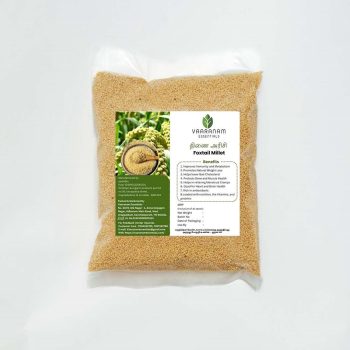
Thinai Rice, also known as Foxtail Millet (scientifically known as Setaria italica), is a type of ancient grain that has been cultivated for thousands of years in many parts of Asia, particularly in India. It’s a highly nutritious, gluten-free, and versatile grain that can be used in various dishes.
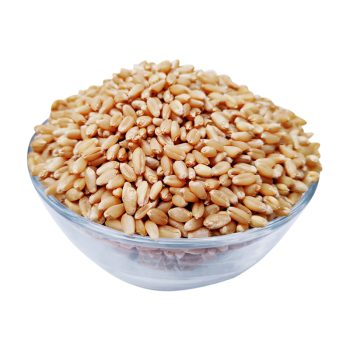
Samba Wheat is a variety of wheat that is commonly grown in India, particularly in the southern regions, and is known for its unique nutritional profile and health benefits. It is considered an ancient variety of wheat and is often used in traditional dishes in various parts of India. Samba wheat is typically smaller and darker in color compared to the more commonly used varieties of wheat, but it is rich in nutrients and offers several health benefits.
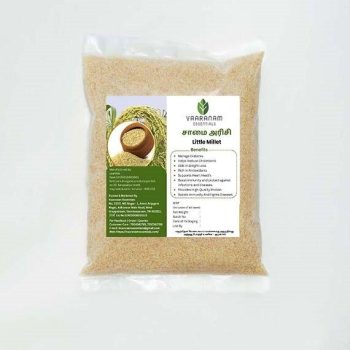
Saamai Rice, also known as Little Millet (Panicum sumatrense), is a small, nutritious grain that has been cultivated for centuries in India and other parts of Asia. It is a type of millet, a group of ancient grains that are known for their numerous health benefits and versatility in cooking. Saamai rice is particularly popular in South Indian cuisine and is often used as a rice substitute in various dishes.
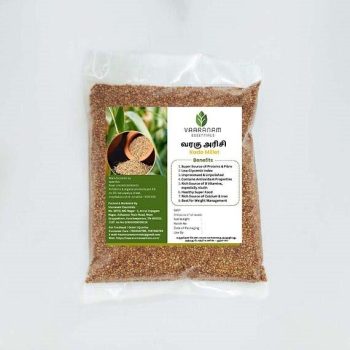
Varagu Rice, also known as Kodo Millet (Paspalum scrobiculatum), is another highly nutritious and ancient grain that has been used for centuries, particularly in Indian cuisine. This millet is a small, hardy grain that grows well in dry and arid regions. Varagu rice is commonly used as a healthier alternative to white rice and is packed with a range of beneficial nutrients.
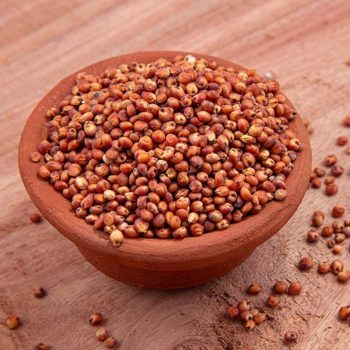
Red Cholam, also known as Red Sorghum (Sorghum bicolor), is an ancient, drought-resistant cereal grain that has been cultivated for thousands of years. Sorghum is commonly referred to as “millet” in many regions, but it is actually distinct from other millets. Red Cholam is one of the varieties of sorghum, known for its deep reddish-brown color and nutty flavor. This grain is widely grown in dry regions and is a staple food in many parts of Africa, India, and the Middle East.
Reviews
There are no reviews yet.